
Stories
「出会うべき人」が出会うと、何が起こるのか?ーAn Unlikely Collaboration
「出会うべき人」が出会うと、何が起こるのか?ーAn Unlikely Collaboration
「出会うべき人」が出会うと、何が起こるのか?ーAn Unlikely Collaboration
藤岡聡子氏は、長野県にある「医療法人オレンジ」の経営リーダーで、コミュニティセンターと緩和ケアベースの訪問診療クリニックを融合させたユニークなコンセプトの施設を運営。国内外での多くの受賞歴がある取り組みです。
藤岡氏は、2025年の神戸フォーラムで、ペンシルベニア大学CSIS(社会的インパクト・イニシアチブ・センター)のマネージングディレクターであるアリエル・シュワルツ博士と出会い、多様なステークホルダーとの連携を評価するためのフレームワークを紹介され、その後自分の地域での実践に応用に取り組みました。
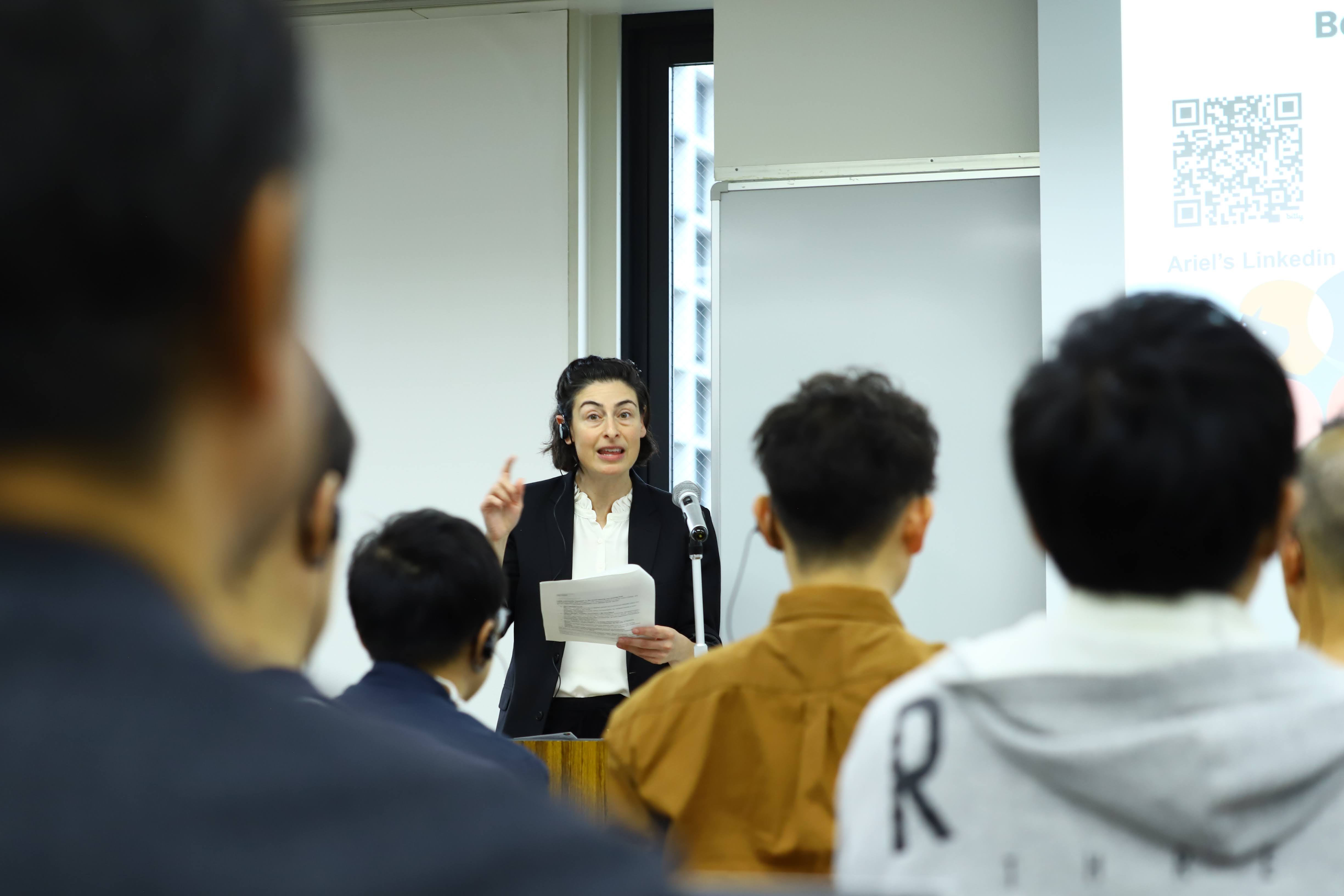
神戸フォーラムのセッションでは、シュワルツ博士が連携を評価するためのフレームワークを紹介し、藤岡氏の地域でどのように応用できるか、ともに考えました。長野に戻った藤岡氏は、そのフレームワークを自身の現場に取り入れることに挑戦。訪問診療クリニックの医師たちをはじめ、地域のケアシステムを支えている医師同士の提携、病院の一般総合医の状況などのマッピングを開始したのです。藤岡氏は、「今やこの紙のツールキットを私はいつも持ち歩いていて、自分にとって変化を生み出す原動力となっています」と語りました。

今年6月、JUSSIN(日米ソーシャルイノベーションネットワーク)はその活動にさらなる投資を決めました。多様な文化を持つ人で形成されたチームが、ますます多層化する日本の高齢者人口をどのようにケアできるかを探求する藤岡氏の研究プロポーザルを、実証実験として採択し、シュワルツ博士を彼女のメンターとして迎えました。このコラボレーションは、藤岡氏をペンシルベニア大学の研究者たちと結びつけ、新たな洞察や知識の共有につながることが期待されます。
出会うべき人が同じ場所に立ち会った時に、どんな未来が可能になるのか。将来を見据え、JUSSINとペンシルベニア大学CSISは、日米の実務家に対し、ケア(介護・看護)の未来に関する知見を交換することを計画しています。
藤岡聡子氏は、長野県にある「医療法人オレンジ」の経営リーダーで、コミュニティセンターと緩和ケアベースの訪問診療クリニックを融合させたユニークなコンセプトの施設を運営。国内外での多くの受賞歴がある取り組みです。
藤岡氏は、2025年の神戸フォーラムで、ペンシルベニア大学CSIS(社会的インパクト・イニシアチブ・センター)のマネージングディレクターであるアリエル・シュワルツ博士と出会い、多様なステークホルダーとの連携を評価するためのフレームワークを紹介され、その後自分の地域での実践に応用に取り組みました。
神戸フォーラムのセッションでは、シュワルツ博士が連携を評価するためのフレームワークを紹介し、藤岡氏の地域でどのように応用できるか、ともに考えました。長野に戻った藤岡氏は、そのフレームワークを自身の現場に取り入れることに挑戦。訪問診療クリニックの医師たちをはじめ、地域のケアシステムを支えている医師同士の提携、病院の一般総合医の状況などのマッピングを開始したのです。藤岡氏は、「今やこの紙のツールキットを私はいつも持ち歩いていて、自分にとって変化を生み出す原動力となっています」と語りました。
今年6月、JUSSIN(日米ソーシャルイノベーションネットワーク)はその活動にさらなる投資を決めました。多様な文化を持つ人で形成されたチームが、ますます多層化する日本の高齢者人口をどのようにケアできるかを探求する藤岡氏の研究プロポーザルを、実証実験として採択し、シュワルツ博士を彼女のメンターとして迎えました。このコラボレーションは、藤岡氏をペンシルベニア大学の研究者たちと結びつけ、新たな洞察や知識の共有につながることが期待されます。
出会うべき人が同じ場所に立ち会った時に、どんな未来が可能になるのか。将来を見据え、JUSSINとペンシルベニア大学CSISは、日米の実務家に対し、ケア(介護・看護)の未来に関する知見を交換することを計画しています。