Publications
Building an Open, International Learning Community for the Social Sector
Building an Open, International Learning Community for the Social Sector
Building an Open, International Learning Community for the Social Sector
This article is an English translation of a post originally published on ETIC's Social Innovation Center Blog in December 2025. Read the original article here.
The Beginnings of JUSSIN
JUSSIN began with an introduction from Daichi Onuma, founder and CEO of CrossFields, who connected us with Cosmo Fujiyama Ghaznavi, a Japanese American leader active in the U.S. social sector.
For more on how the two met and how the idea for JUSSIN first emerged, please see the article published by ETIC.’s online publication, DRIVE Media.
The invitation for ETIC. to help bring the vision to life came in December 2024. From there, things moved remarkably quickly: an organising team was assembled, and plans for the programme rapidly took shape.
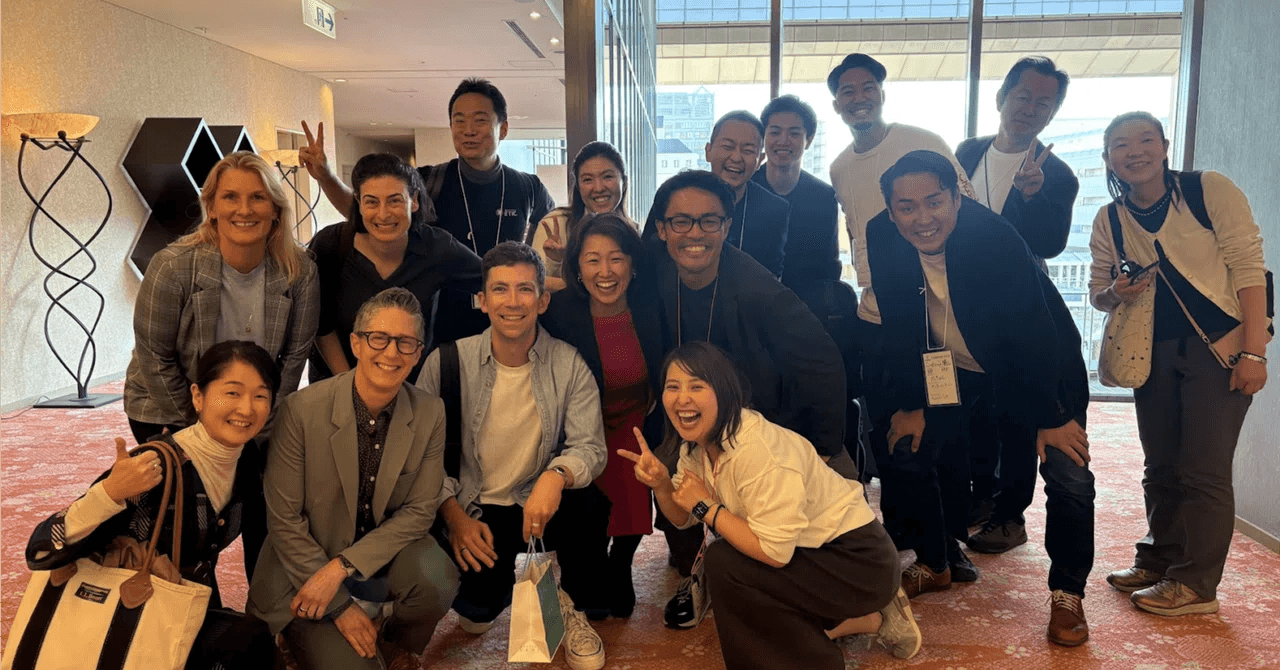
Five practitioners travelled to Japan from Boston, New York, Philadelphia, New Orleans, and Los Angeles. Together with 35 leaders representing 22 organizations from across Japan’s social sector, they spent two days learning, discussing, and building relationships.
Image caption: Five social impact leaders from across the United States joined 35 leaders from 22 Japanese organizations for the two-day program.
Creating a Safe and Inclusive Space in Partnership with American Social Impact Leaders
In my previous role, I spent many years coordinating international exchange program like this one.
Since the pandemic, opportunities to organize large-scale international program in Japan have been rare. As we prepared for JUSSIN, there were several moments that made me acutely aware of how much American society has changed over the past few years.
One thing that particularly stood out was that every American speaker introduced themselves by sharing their gender pronouns.
They would naturally begin by saying:
“My name is ○○○, and my pronouns are he/she/they.”
From the outset, people openly communicated how they identified, creating a shared understanding that each person’s identity should be respected.
In the international program I organized before 2020, I rarely encountered such explicit introductions. Seeing this become commonplace made me realize just how much American society has changed in recent years, as same-sex marriage gained recognition at the federal level and conversations around gender diversity became more widespread.
Another moment that left a strong impression came after the speakers arrived in Japan. During our final planning discussions, they took great care to consider the different power dynamics that might exist among participants.
Their concerns extended far beyond visible differences such as age, gender, or place of origin. Together, we discussed the less obvious forms of privilege and imbalance that shape people’s experiences: the age of their organization, financial resources, whether someone was a founder or not, and even varying levels of comfort with English.
They carefully unpacked these dynamics one by one, always with the aim of ensuring that everyone in the room would feel welcome and able to participate fully.
All of the American nonprofit leaders who visited Japan spoke candidly about the challenges of advancing social change in an increasingly polarized society. Yet at the same time, they embodied a commitment to caring deeply for the individual people in front of them.
Japanese participants later commented that they could feel this thoughtful attention woven throughout the programme. Their sensitivity and care helped create a space where people felt safe, respected, and genuinely connected.
Toward More Open International Exchange Within the Social Sector
In the post-program survey, participants were asked:
“Have you previously taken part in a similar international program or Japan–U.S. exchange initiative?”
Eighty per cent of the Japanese participants answered “No.”
Part of the reason, I believe, is that Japan’s social sector remains relatively small. Many organizations focus primarily on domestic issues, meaning that opportunities for learning and collaboration across national borders are still limited.
With this in mind, JUSSIN incorporated professional interpretation throughout the entire programme, ensuring that participants could access information and build relationships regardless of their level of English proficiency.
Participants shared comments such as:
“I was able to participate without feeling any language barrier at all.”
And:
“Senior leaders often have access to international opportunities, but for other team members those opportunities are much more limited.”
If this program succeeded, even in a small way, in creating a more inclusive and accessible model for international exchange within the social sector, then I would consider that a meaningful achievement.
Looking ahead, ETIC. hopes to continue expanding opportunities for social entrepreneurs and nonprofit leaders working on regional and social challenges to learn from peers around the world.
We would be delighted to welcome many more people into these conversations in the years to come.
This article is an English translation of a post originally published on ETIC's Social Innovation Center Blog in December 2025. Read the original article here.
The Beginnings of JUSSIN
JUSSIN began with an introduction from Daichi Onuma, founder and CEO of CrossFields, who connected us with Cosmo Fujiyama Ghaznavi, a Japanese American leader active in the U.S. social sector.
For more on how the two met and how the idea for JUSSIN first emerged, please see the article published by ETIC.’s online publication, DRIVE Media.
The invitation for ETIC. to help bring the vision to life came in December 2024. From there, things moved remarkably quickly: an organising team was assembled, and plans for the programme rapidly took shape.
Five practitioners travelled to Japan from Boston, New York, Philadelphia, New Orleans, and Los Angeles. Together with 35 leaders representing 22 organizations from across Japan’s social sector, they spent two days learning, discussing, and building relationships.
Image caption: Five social impact leaders from across the United States joined 35 leaders from 22 Japanese organizations for the two-day program.
Creating a Safe and Inclusive Space in Partnership with American Social Impact Leaders
In my previous role, I spent many years coordinating international exchange program like this one.
Since the pandemic, opportunities to organize large-scale international program in Japan have been rare. As we prepared for JUSSIN, there were several moments that made me acutely aware of how much American society has changed over the past few years.
One thing that particularly stood out was that every American speaker introduced themselves by sharing their gender pronouns.
They would naturally begin by saying:
“My name is ○○○, and my pronouns are he/she/they.”
From the outset, people openly communicated how they identified, creating a shared understanding that each person’s identity should be respected.
In the international program I organized before 2020, I rarely encountered such explicit introductions. Seeing this become commonplace made me realize just how much American society has changed in recent years, as same-sex marriage gained recognition at the federal level and conversations around gender diversity became more widespread.
Another moment that left a strong impression came after the speakers arrived in Japan. During our final planning discussions, they took great care to consider the different power dynamics that might exist among participants.
Their concerns extended far beyond visible differences such as age, gender, or place of origin. Together, we discussed the less obvious forms of privilege and imbalance that shape people’s experiences: the age of their organization, financial resources, whether someone was a founder or not, and even varying levels of comfort with English.
They carefully unpacked these dynamics one by one, always with the aim of ensuring that everyone in the room would feel welcome and able to participate fully.
All of the American nonprofit leaders who visited Japan spoke candidly about the challenges of advancing social change in an increasingly polarized society. Yet at the same time, they embodied a commitment to caring deeply for the individual people in front of them.
Japanese participants later commented that they could feel this thoughtful attention woven throughout the programme. Their sensitivity and care helped create a space where people felt safe, respected, and genuinely connected.
Toward More Open International Exchange Within the Social Sector
In the post-program survey, participants were asked:
“Have you previously taken part in a similar international program or Japan–U.S. exchange initiative?”
Eighty per cent of the Japanese participants answered “No.”
Part of the reason, I believe, is that Japan’s social sector remains relatively small. Many organizations focus primarily on domestic issues, meaning that opportunities for learning and collaboration across national borders are still limited.
With this in mind, JUSSIN incorporated professional interpretation throughout the entire programme, ensuring that participants could access information and build relationships regardless of their level of English proficiency.
Participants shared comments such as:
“I was able to participate without feeling any language barrier at all.”
And:
“Senior leaders often have access to international opportunities, but for other team members those opportunities are much more limited.”
If this program succeeded, even in a small way, in creating a more inclusive and accessible model for international exchange within the social sector, then I would consider that a meaningful achievement.
Looking ahead, ETIC. hopes to continue expanding opportunities for social entrepreneurs and nonprofit leaders working on regional and social challenges to learn from peers around the world.
We would be delighted to welcome many more people into these conversations in the years to come.